 Save to Pinterest
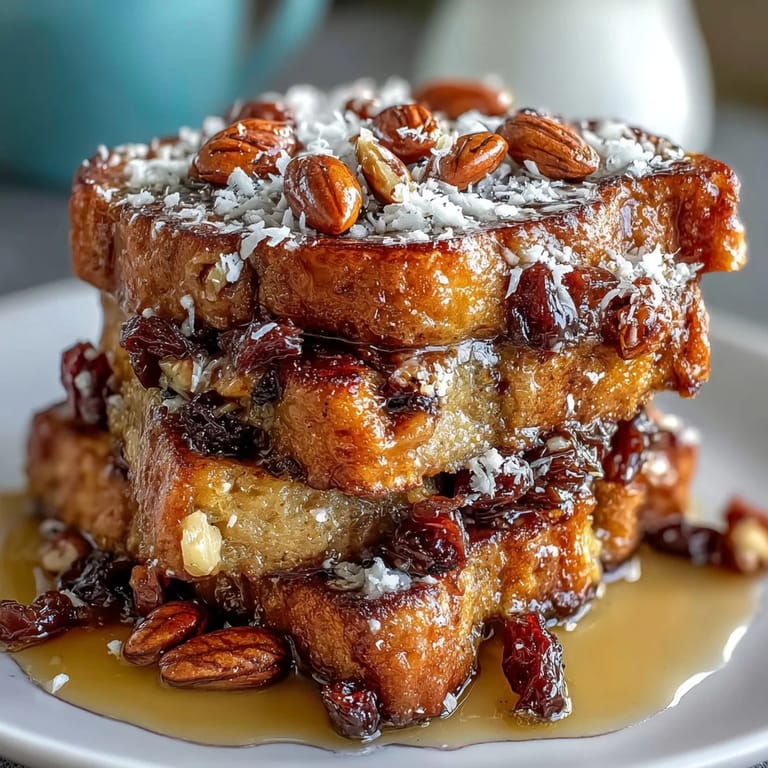
 The first time I encountered capirotada was not in a festive gathering, but during a quiet weekday when the scent of cinnamon drifted from my neighbor’s open window. That aroma lured me right into their kitchen, where I saw slices of toasted bread swimming in silky syrup and layered with unexpected treasures. It’s funny how desserts sometimes sneak up on you in the least expected moments—that day, simple curiosity turned into a newfound love for this Mexican bread pudding. The blend of dried fruit, nuts, and cheese was unlike anything I’d ever tasted together. Now, every spring, I crave that medley of sweet and savory in my own kitchen.
Making capirotada for my cousins last Lent turned our kitchen into a whirlwind of laughter and syrup splashes. As everyone chipped in—some toasting bread, others chopping nuts—the anticipation built, and by the time the bubbling pudding emerged from the oven, even the youngest declared it a hit. The conversation flowed as freely as the syrup, and each layer felt like a new surprise. That day, capirotada became our go-to excuse for gathering. Somehow, we ended up with twice the mess and twice the smiles.
Ingredients
- Bread: Stale bolillo or French bread gives structure and soaks up syrup just right—don’t skimp on toasting!
- Piloncillo: This unrefined Mexican sugar lends unrivaled richness; dark brown sugar is a good backup.
- Cinnamon stick & cloves: Whole spices infuse the syrup with warmth; remember to strain for smoothness.
- Raisins, dried apricots/prunes: Their chewy bursts add gentle sweetness—if I’m feeling adventurous, I mix both.
- Nuts (pecans, peanuts, almonds): Chopped bits bring crunch and nuttiness to each bite; toast them lightly for extra flavor.
- Shredded cheese: Queso fresco or Monterey Jack gives creaminess and subtle tang—more cheese means richer, bolder pudding.
- Butter: Melted butter on top turns the bread golden and caramelized—don’t forget this step!
- Sweetened coconut flakes: Adds festive shimmer and extra sweetness, but optional for purists.
Tired of Takeout? 🥡
Get 10 meals you can make faster than delivery arrives. Seriously.
One email. No spam. Unsubscribe anytime.
Instructions
- Prep your oven and dish:
- Set your oven to 180°C (350°F) and lightly butter your baking dish while humming a favorite tune.
- Toast the bread:
- Arrange slices on a baking sheet, toast for 10–12 minutes until crisp and golden—the crunch is essential, so peek and flip halfway.
- Simmer the syrup:
- Combine water, piloncillo, cinnamon, and cloves in a saucepan; let them bubble together until the kitchen smells irresistible, then strain out the spices.
- Layer everything:
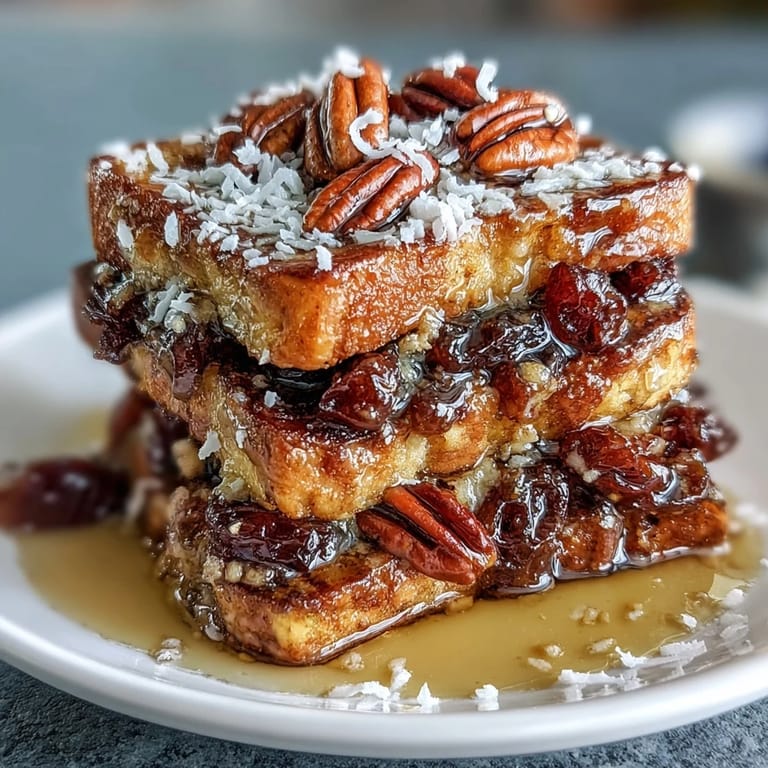
- Start with one-third of bread, sprinkle dried fruits, nuts, and cheese, then repeat—layering is where you can get creative and messy.
- Pour and moisten:
- Slowly drizzle the syrup so every piece of bread gets its share—watch it soak in like a sponge.
- Add toppings and bake:
- Pour melted butter, sprinkle coconut if you love it, cover with foil, and bake 25 minutes; remove foil and bake until bubbly and golden.
- Rest and serve:
- Let it sit for at least 15 minutes (seriously, don’t rush)—then serve warm or at room temperature.
 Save to Pinterest
 The first time someone asked for seconds, it felt like capirotada had become more than just dessert—it was a shared ritual. Somehow, making it together made the kitchen feel warmer, and those layers became stories we retold each spring.
How to Customize Each Layer
After a few rounds, I’ve learned that capirotada is endlessly adaptable. Sometimes I throw in sliced bananas or apples, or swap nuts depending on who’s around. Even the cheese can shift, and those little changes turn each batch into something uniquely ours. Layering lets you improvise boldly, so have fun and embrace a bit of playful chaos.
How to Choose the Perfect Bread
Bolillo is most traditional, but crusty French bread works beautifully as long as it’s a little stale and not too soft. I once used soft sandwich bread in a pinch—the result was too soggy for my taste and barely held together. Slightly dry bread makes all the difference, giving the pudding structure and a lovely chew. Toasting is essential; don’t skip it even if you’re tempted by shortcuts.
Serving and Storage Secrets
Leftover capirotada transforms overnight—the flavors deepen, so don’t hesitate to stash a slab in the fridge. Warm it gently for breakfast and try it with a scoop of vanilla ice cream if you’re feeling fancy. Sharing a slice with coffee turns it into a perfect afternoon treat.
- If you want crispy edges, uncover for the last few minutes of baking.
- Always check for hidden spices before serving—no one loves a surprise clove!
- Serve warm, but not piping hot, for the best texture and flavor.
 Save to Pinterest
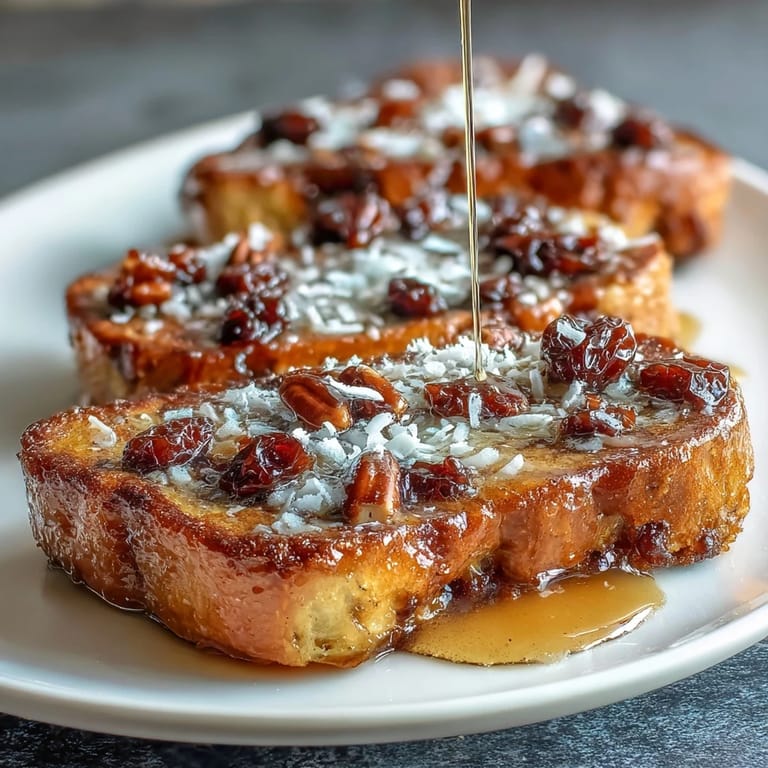
 You might make capirotada for tradition, but its warmth and complexity will surprise you every time. Enjoy with friends or for a quiet, cozy afternoon—the best moments are often the simplest ones.
Recipe Questions & Answers
- → What type of bread is best for capirotada?
Slightly stale bolillo or French bread is ideal since it absorbs syrup well without becoming mushy.
- → Can piloncillo be substituted in this dish?
If piloncillo isn't available, dark brown sugar offers a similar depth and caramel-like sweetness.
- → How do you customize fruit and nut additions?
Add your preferred dried fruit or nuts, such as prunes, bananas, or apples, to enhance flavor and texture.
- → Is cheese essential in capirotada?
Cheese balances the sweetness and adds creaminess, but you can reduce it or use a lactose-free alternative.
- → How is capirotada traditionally served?
It's served warm or at room temperature, excellent with coffee, Mexican hot chocolate, or ice cream.
- → Are there allergy considerations?
Capirotada contains dairy, tree nuts, and peanuts. Always check bread ingredients for gluten and eggs.