 Save to Pinterest
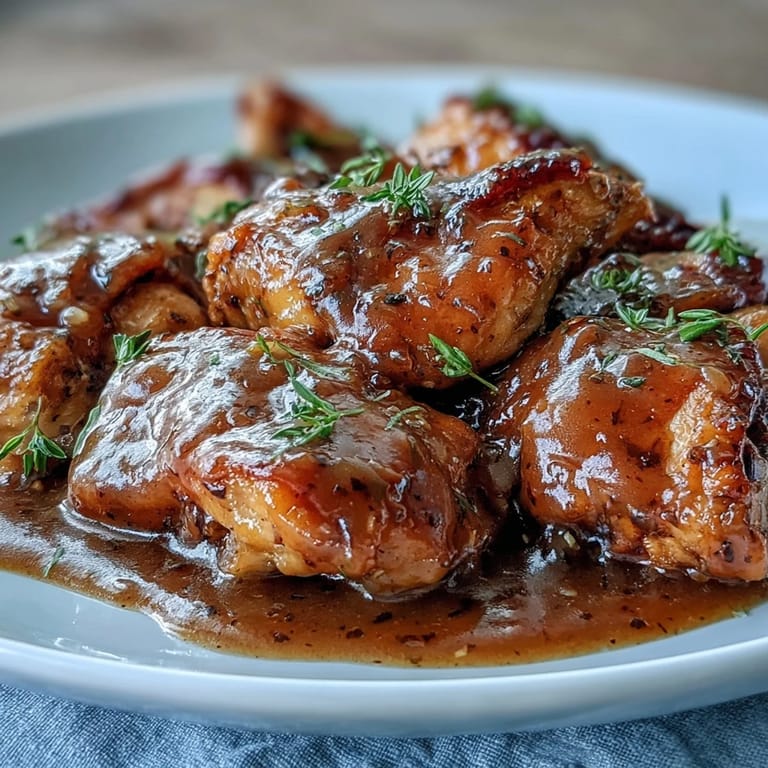
 There's something almost magical about opening the slow cooker lid after four hours and being hit with that wave of honey and mustard steam—it happened to me on a Tuesday when I was running behind on everything, and suddenly dinner was not only ready but smelled like it had been tended to all day. This recipe came from a desperate moment when I had chicken breasts and nothing else in my fridge except condiments, so I started mixing and hoping for the best. The result was so unexpectedly luscious that I've made it dozens of times since, each time perfecting the balance between sweet, tangy, and savory. Now it's the dish I reach for when I need something foolproof, or when I want to impress someone without spending hours in the kitchen.
I made this for a potluck once when everyone was supposed to bring something fancy, and I showed up with slow cooker chicken in a ceramic crock, feeling slightly embarrassed until someone asked for the recipe before they'd even finished their plate. My neighbor came home while I was serving it and invited herself for dinner—not because she was rude, but because the smell wafting across the yard was genuinely irresistible. That's when I realized this dish has a quiet confidence about it; it doesn't need to be complicated to be craveable.
Ingredients
- Boneless, skinless chicken breasts (4, about 1.5 to 2 pounds): The foundation of everything here—look for breasts that are roughly the same thickness so they cook evenly, and don't skip patting them dry with paper towels, which helps the sauce cling better.
- Dijon mustard (½ cup): The backbone of this sauce; it provides that sophisticated tangy note that keeps the dish from being too sweet, so don't substitute with yellow mustard or the whole character changes.
- Honey (⅓ cup): This isn't just sweetness—it's also a thickening agent and gives the sauce that glossy, velvety texture that makes you want to pour it over everything.
- Whole grain mustard (2 tablespoons): Those little seeds add texture and a slightly milder mustard note that balances the sharpness of the Dijon beautifully.
- Apple cider vinegar (1 tablespoon): A splash of brightness that lifts the entire sauce and prevents it from tasting one-dimensional.
- Worcestershire sauce (1 teaspoon): The secret depth—it adds savory umami that makes people wonder what your secret ingredient is.
- Garlic (2 cloves, minced): Fresh garlic is non-negotiable here; jarred just doesn't have the same punch and can taste a bit metallic after four hours of cooking.
- Onion powder, paprika, salt and black pepper: This trio builds a subtle savory base without overpowering the mustard-honey star of the show.
- Low-sodium chicken broth (¼ cup): Dilutes the sauce just enough so it can simmer and coat everything without being overwhelmingly concentrated.
- Cornstarch and cold water (2 tablespoons each): The thickener that transforms loose sauce into something velvety enough to cling to chicken and rice—the cold water is crucial because it prevents lumps.
Tired of Takeout? 🥡
Get 10 meals you can make faster than delivery arrives. Seriously.
One email. No spam. Unsubscribe anytime.
Instructions
- Prep the chicken with intention:
- Trim any excess fat from the breasts—not because it's bad for you, but because too much fat will make the sauce feel greasy rather than silky. Pat everything completely dry with paper towels; this small step actually helps the sauce adhere better during cooking.
- Whisk the mustard base:
- In a medium bowl, combine the Dijon mustard, honey, whole grain mustard, apple cider vinegar, and Worcestershire sauce, whisking until everything is smooth and well integrated. You want this mixture to be thick and cohesive before you add anything else.
- Build the sauce flavors:
- Stir in the minced garlic, onion powder, paprika, salt, and black pepper, then add the chicken broth and whisk again until you have a sauce that smells absolutely irresistible. At this point, taste it; it should taste like a balanced honey-mustard that's slightly concentrated, since cooking will mellow it out.
- Arrange chicken in the slow cooker:
- Place the chicken breasts in a single layer on the bottom of the slow cooker—if they're piled on top of each other, the bottom ones will be overcooked and the top ones slightly underdone. This is your moment to set yourself up for success.
- Pour the sauce with care:
- Pour the honey mustard sauce evenly over the chicken, making sure each piece is well coated and has sauce pooling around it. You want to see some sauce on top of every piece.
- Cook low and slow:
- Cover the slow cooker and set it to low for 4 hours, or high for 2 to 2½ hours if you're pressed for time. Low is genuinely better here because it allows the flavors to meld without any harsh edges, but both work.
- Remove chicken before thickening:
- About 15 minutes before you want to serve, carefully remove the chicken breasts with tongs and set them aside on a plate covered loosely with foil to keep them warm. This step prevents the chicken from overcooking while you thicken the sauce.
- Make the cornstarch slurry:
- In a small bowl, whisk the cornstarch with cold water until it's completely smooth with no lumps—lumpy slurry is the enemy of silky sauce. Pour this mixture slowly into the sauce in the slow cooker while stirring gently.
- Thicken and finish:
- Turn the slow cooker to high, cover it, and let it cook for 10 to 15 minutes, stirring once or twice, until the sauce transforms from loose to glossy and coats the back of a spoon. You'll see it happen and you'll know exactly when to stop.
- Return chicken and reheat briefly:
- Return the chicken breasts to the slow cooker and spoon that thickened sauce over the top, then let everything warm together for 2 to 3 minutes. This just brings everything back to serving temperature without any additional cooking.
- Serve with confidence:
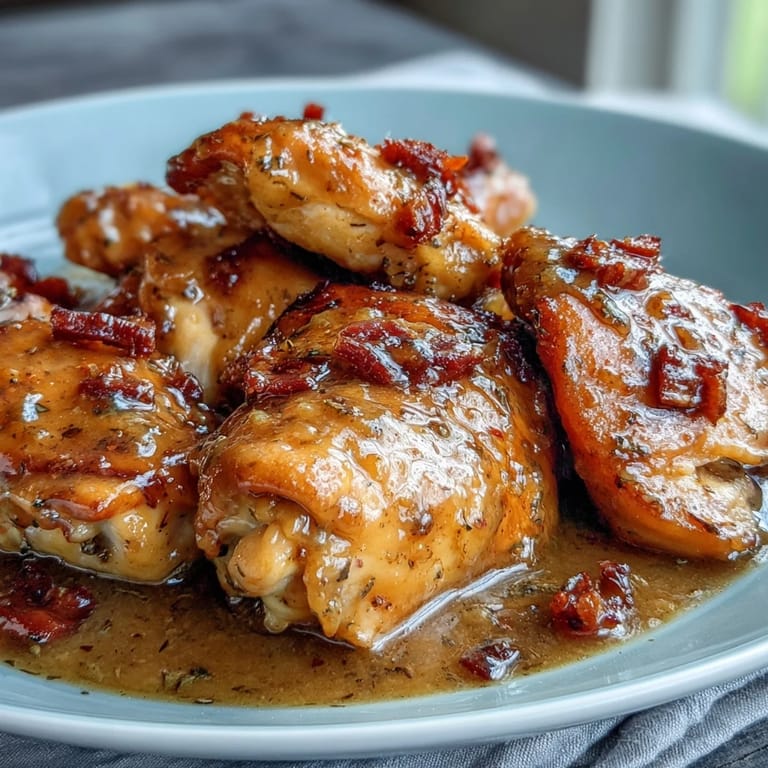
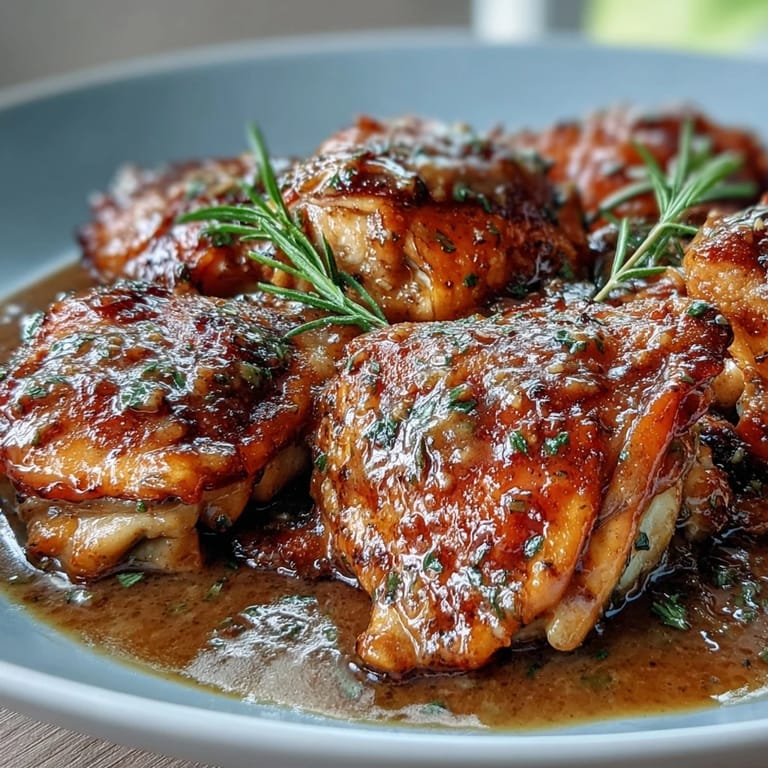
- Serve the chicken hot alongside rice, mashed potatoes, or roasted vegetables, making sure every plate gets plenty of that glossy sauce drizzled over top. This is the moment when people will pause mid-conversation to appreciate what you've made.
 Save to Pinterest
 My partner once asked why I made this so often, and I realized it's because it's one of those dishes where everything just works—there's almost no way to mess it up, and somehow it tastes like you actually know what you're doing. It's become our comfort dinner, the thing we make when we want something that feels special without the stress.
Flavor Variations That Work
This recipe is genuinely flexible, and I've discovered that adding fresh thyme or rosemary changes the entire character—suddenly it feels more herbaceous and almost French, which is lovely if you're pairing it with something like egg noodles instead of rice. A pinch of cayenne or red pepper flakes wakes everything up for people who like heat, and I've even added a splash of soy sauce once when I was out of Worcestershire, which created this deeper, more umami-forward version that was unexpectedly good. The beauty is that the honey-mustard base is strong enough to support these variations without falling apart.
What to Serve Alongside This Dish
I've learned that creamy sides work best here—mashed potatoes are obvious, but rice is what I reach for most because it soaks up all that gorgeous sauce and stretches the meal further. Roasted vegetables are lighter and let the chicken shine, though I'll admit that steamed broccoli with the sauce drizzled over it might be the most satisfying combination I've found. Simple green salads help cut through the richness if you're feeding people who prefer lighter meals.
Leftovers and Storage Wisdom
This dish actually tastes better the next day because the flavors have had time to deepen and meld, and cold chicken shreds into the most incredible sandwich filling or wrap ingredient when you're tired of eating it the traditional way. Store it in an airtight container in the refrigerator for up to three days, and reheating in a skillet over low heat helps you avoid drying out the chicken. You can also freeze it for up to two months if you want to make a double batch and have dinner ready whenever life gets chaotic.
- Shredding leftover chicken works brilliantly: Pulled chicken sandwiches with this sauce become a completely different meal that feels fresh and exciting.
- Reheat gently, never aggressively: Medium-low heat and a lid help restore moisture rather than cooking it out.
- Add a splash of broth if reheating seems dry: A tablespoon or two of water or chicken broth prevents everything from becoming tough during the warming process.
 Save to Pinterest
 Every time I make this, I'm grateful for the accident that created it, and for how it's become the recipe I turn to when I want to feed people something they'll actually remember. It's proof that sometimes the best things come from having limited options and enough courage to just mix and see what happens.
Recipe Questions & Answers
- → Can I use chicken thighs instead of breasts?
Yes, chicken thighs work wonderfully and may even stay juicier. Cook them for 3½ to 4 hours on low setting until they reach 165°F internally.
- → How do I store leftovers?
Store cooled chicken and sauce in an airtight container for up to 4 days. The flavors actually develop more depth overnight. Reheat gently with a splash of broth.
- → Can I freeze this dish?
Absolutely. Freeze portions in freezer-safe bags or containers for up to 3 months. Thaw overnight in the refrigerator before reheating.
- → What sides pair best with this?
Mashed potatoes, rice, or roasted vegetables soak up the velvety sauce beautifully. Crusty bread also works well for dipping.
- → Can I make it spicier?
Add ¼ teaspoon cayenne pepper or red pepper flakes to the sauce. You can also use a spicy mustard blend for extra heat.
- → Can I cook this on high heat?
Yes, cook on high for 2 to 2½ hours instead of 4 hours on low. The chicken will still become tender, though low and slow yields the best texture.